
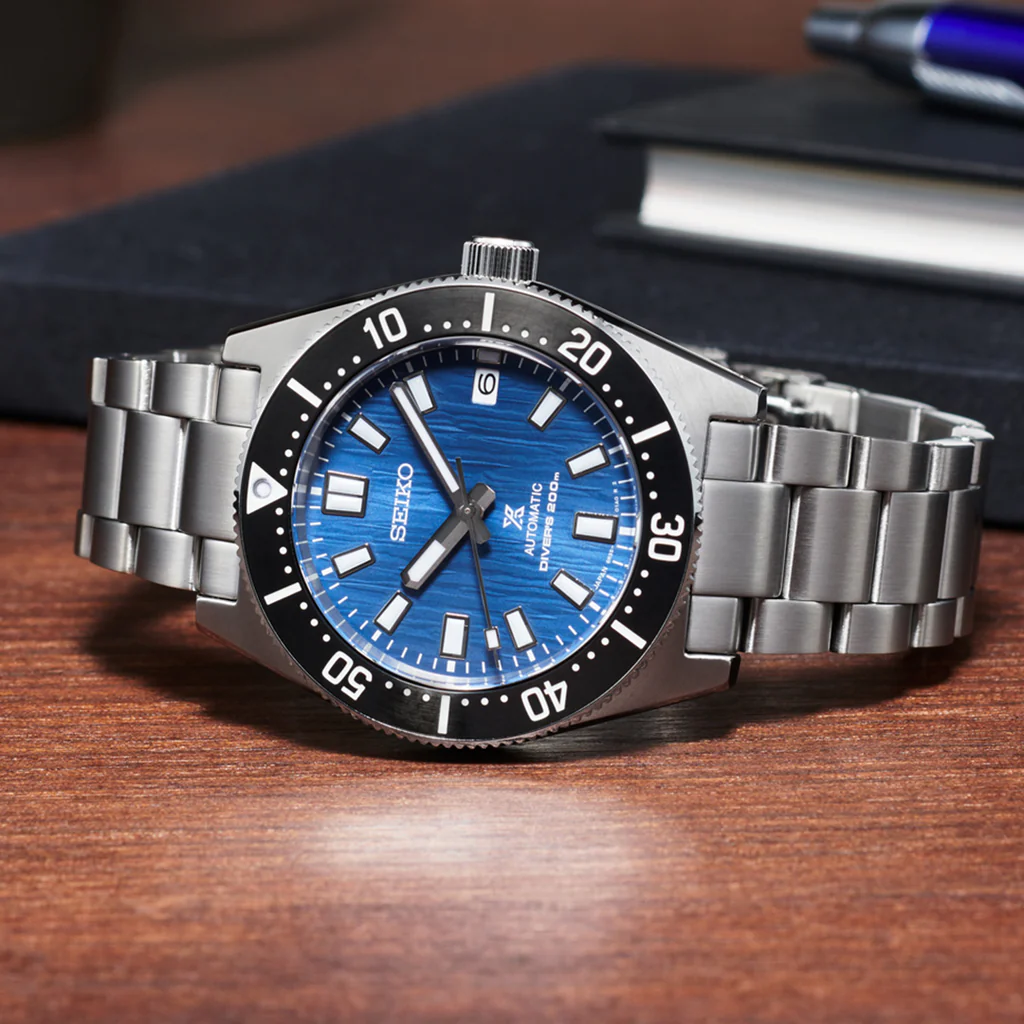
Do Seiko watches hold value? The honest answer is: some do, many do not, and a small number can genuinely appreciate over time. If you are buying a Seiko strictly as an investment, it is important to separate mass-produced entry models from historically important references, discontinued cult favorites, limited editions, and collector-grade vintage pieces. Seiko has one of the richest histories in watchmaking, but that does not automatically mean every watch with the Seiko name on the dial will rise in value. What matters is rarity, originality, condition, demand, and whether the model has a story collectors care about.
For most buyers, the smartest way to approach Seiko is to buy a watch you genuinely enjoy wearing and treat any future appreciation as a bonus, not a promise.
Why Seiko matters in the first place
Seiko is not just another affordable watch brand. It is a manufacturer with deep horological credibility, a long history of innovation, and an unusually broad catalog that ranges from accessible everyday watches to high-end collector pieces. That wide range is exactly why the question of Seiko resale value is more nuanced than many blog posts make it sound.
On one end of the spectrum, there are affordable models made in large numbers and sold mainly for day-to-day wear. On the other, there are vintage divers, historically significant chronographs, beloved discontinued references, and tightly produced limited editions that have built enthusiastic collector followings. When people ask whether Seiko watches appreciate, they are usually really asking whether the right Seiko watches can become more desirable on the secondary market. In certain cases, yes – but the keyword there is certain.
What actually drives Seiko resale value
The first factor is rarity. A watch that was produced for a short period, discontinued at the right moment, or released in limited quantities has a better chance of standing out later. Rarity alone is not enough, but it is often the starting point.
The second factor is demand. A scarce watch with no audience will not suddenly become valuable. Collector demand usually forms around a specific story: perhaps the watch was an early diver, a famous chronograph, a reference with unusually clean proportions, or a model tied to a beloved line like Prospex, Alpinist, or certain vintage Seiko sports watches.
The third factor is originality. This matters tremendously in the Seiko world. Original dial, original hands, original bezel insert, correct bracelet or strap, correct crown, and an unpolished case can all affect value. A watch that looks close to factory-correct is often worth more than a heavily modified or over-restored example.
The fourth factor is condition. Sharp edges, a clean dial, healthy lume, a well-running movement, and complete set accessories such as box and papers can all support stronger prices. When two similar Seiko watches come to market, the better-kept example almost always wins.
Finally, entry price matters. Even a desirable Seiko can be a poor buy if you overpay on the front end. A smart purchase price creates room for future value retention. An emotional or inflated purchase can erase that advantage immediately.
Which Seiko watches hold value best?
The best Seiko watches that hold value usually fall into a few categories. First are vintage references with historical significance. Early Seiko divers, vintage chronographs, and sought-after dress or sport references can command strong interest because they represent important chapters in the brand’s development. Collectors often pay for originality, rarity, and condition more than simple age.
Second are discontinued modern classics. When a watch develops a loyal following and then disappears from the catalog, secondary prices can strengthen quickly. This is why certain Seiko divers, some Alpinist references, and a handful of enthusiast-loved everyday models continue to attract attention long after retail availability ends.
Third are limited editions done well. Not every limited edition becomes collectible, but the strongest ones combine appealing design, low production numbers, good wearability, and a theme collectors actually care about. If a model feels forced or gimmicky, the limited-run label alone usually is not enough.
Fourth are pieces with crossover appeal. Watches that attract both dedicated collectors and first-time buyers tend to remain more liquid. Easy-to-wear case sizes, strong legibility, versatile styling, and a recognizable story all help. In practice, liquidity matters almost as much as headline value because it affects how easily you can actually sell when the time comes.
Which Seiko watches usually do not appreciate?
This is the section many articles skip, but it matters if you want a realistic answer. Most standard production Seiko watches bought brand new at retail should be expected to depreciate, at least initially. That is not a flaw unique to Seiko – it is simply how most watches behave outside a small number of hype-driven luxury brands.
Entry-level pieces made in high volumes are excellent watches for enjoyment, but they are not automatic investment pieces. The same goes for impulse buys with little collector following, overly common references with no distinguishing features, and watches that have been heavily modified. A modded Seiko can be fun and personal, yet originality is often what supports resale value in the collector market.
Another common trap is confusing retail price increases with collector appreciation. A model can cost more new today while used examples still sell at soft prices. Appreciation means the market is willing to pay more for the actual watch you own, not just that the brand raised MSRP elsewhere in the catalog.
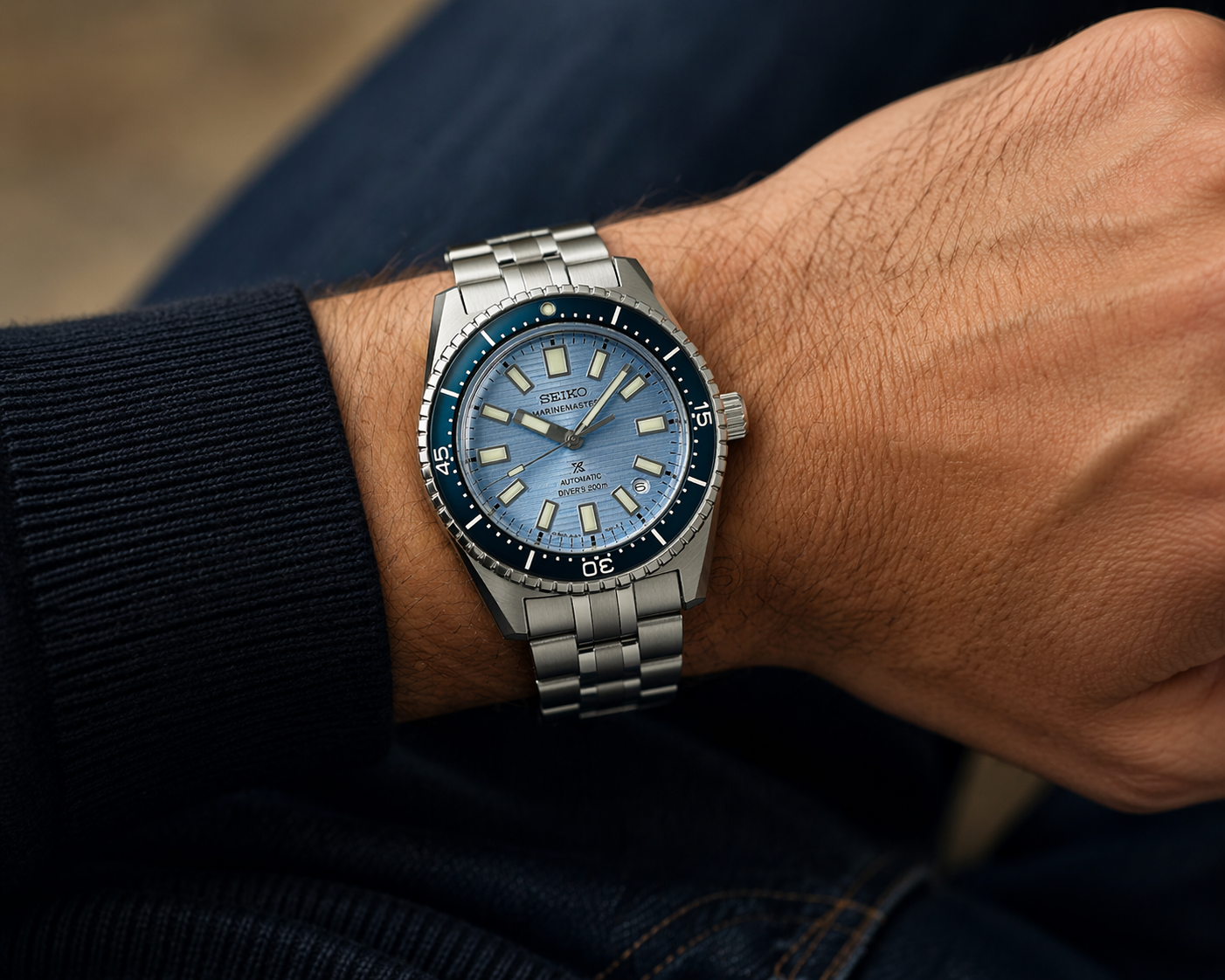
Are Seiko watches a good investment?
If by investment you mean a dependable, low-risk financial asset, then most Seiko watches are not the best tool for the job. There are easier and more predictable ways to grow money than buying watches. Storage, servicing, market cycles, taste shifts, and authenticity concerns all add friction.
If by investment you mean a collectible object that may retain value better than many consumer purchases – and might even appreciate if you buy carefully – then Seiko becomes much more interesting. The brand offers real heritage, genuine innovation, wide enthusiast recognition, and a deep back catalog. That combination keeps Seiko relevant in a way that many similarly priced brands never achieve.
In other words, Seiko can be a smart enthusiast purchase with upside. It is usually not a guaranteed profit machine. Buyers who go in with that mindset tend to make better decisions and enjoy the process far more.
How to evaluate a Seiko before you buy
Start by checking the exact reference number, not just the collection name. Seiko can release many versions of the same family, and small differences matter. A well-regarded reference may sit next to a far less desirable sibling that looks similar at first glance.
Next, compare current asking prices with actual sold prices on reputable resale platforms. Asking prices tell you what sellers hope for. Sold prices tell you what buyers are truly willing to pay. That difference is where many first-time watch buyers get burned.
Then inspect originality. Look closely at the handset, dial text, bezel, case shape, crown, and bracelet. On vintage Seiko pieces in particular, replacement parts and aggressive polishing can significantly affect value. A watch with honest wear is often better than one that has been polished into a softer, less correct shape.
Also ask about service history. A freshly serviced watch from a trustworthy source may cost more upfront, but it can reduce risk. On the other hand, vague service claims with no paperwork should not command a premium by themselves.
Finally, think about future demand. Cleaner, more versatile designs tend to remain easier to sell. Oversized cases, unusual colors, or trend-driven limited editions can look exciting at launch but may narrow the pool of future buyers.
Vintage Seiko value vs. modern Seiko value
Vintage Seiko value is often driven by scarcity, originality, and historical significance. Buyers in this segment care about reference correctness, dial condition, movement type, and whether the watch represents an important era for the brand. The upside can be strong, but so can the risk if you buy a poor example.
Modern Seiko value is usually easier to research but harder to predict long term. The benefit is that documentation is better, condition is often stronger, and fakes are sometimes easier to spot. The challenge is that many modern models are still widely available or recently discontinued, so true collector separation has not happened yet.
For many buyers, the sweet spot lies in enthusiast-loved modern watches that are now discontinued, plus vintage pieces bought from trusted sources after careful study. That is often where emotion, wearability, and future resale potential meet most naturally.
Do Seiko Watches Hold Value? The smartest conclusion for most buyers
So, will Seiko watches appreciate? Some will. Many will simply hold a portion of their value. Others will lose value the moment they leave the store. The real answer depends less on the logo and more on the exact reference, condition, originality, and market demand.
If your goal is to buy a Seiko that holds value well, focus on collector-backed references, discontinued favorites, strong limited editions, and historically meaningful vintage examples. Buy the best condition you can reasonably afford, keep the watch as original as possible, save the box and papers, and avoid paying inflated prices just because a model is trending.
Most importantly, buy a watch you would still be happy to own even if the market cooled. That mindset protects you from hype, helps you choose more carefully, and usually leads to a better watch collection over time.
FAQ
Do Seiko watches appreciate over time?
Some do, especially vintage, discontinued, historically important, or limited-production models with strong collector demand. Most standard production models should be expected to hold value modestly or depreciate rather than soar.
Are Seiko watches a good investment for beginners?
They can be a good entry point for collectors because the brand has real heritage and many price levels, but beginners should approach Seiko as a hobby-first purchase. Buy carefully, research the exact reference, and do not assume every model will appreciate.
What makes a Seiko more collectible?
Originality, rarity, condition, documentation, historical importance, and enthusiastic market demand all matter. Watches with strong stories and loyal followings generally perform better than generic mass-market references.
Do modded Seiko watches hold value?
Usually less well than original watches. Mods can be enjoyable and creative, but collector markets often reward factory-correct examples more strongly than customized ones.
Check out our Watches
Check out our Facebook page
Related Posts
Latest Posts
How to Care for Your Jewelry: 15 Expert Tips for Lasting Shine
Learning how to care for your jewelry begins with one [...]
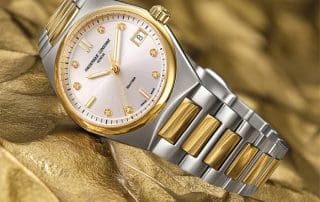
Frédérique Constant Watches Have Arrived at B. Serkos Jewelry
There is something special about wearing a beautifully crafted Swiss [...]
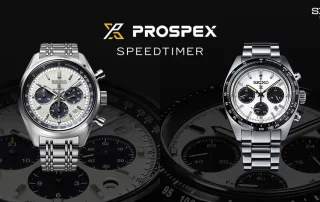
Seiko Chronograph Watches: A Journey Through Innovation and Time
Seiko Chronograph Watches Few watchmakers have influenced the development of [...]

Engagement Rings Laval: How to Choose the Perfect Ring for Your Love Story
Choosing an engagement ring is one of the most meaningful [...]
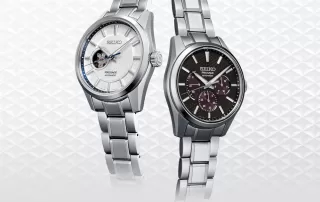
Are Seiko Watches Good Quality? A 2026 Buyer’s Guide
Are Seiko watches good quality? Yes. Seiko is one of [...]

Oris Aquis Dive Watch: 7 Reasons It Stands Out
The Oris Aquis dive watch is made for people who [...]

