
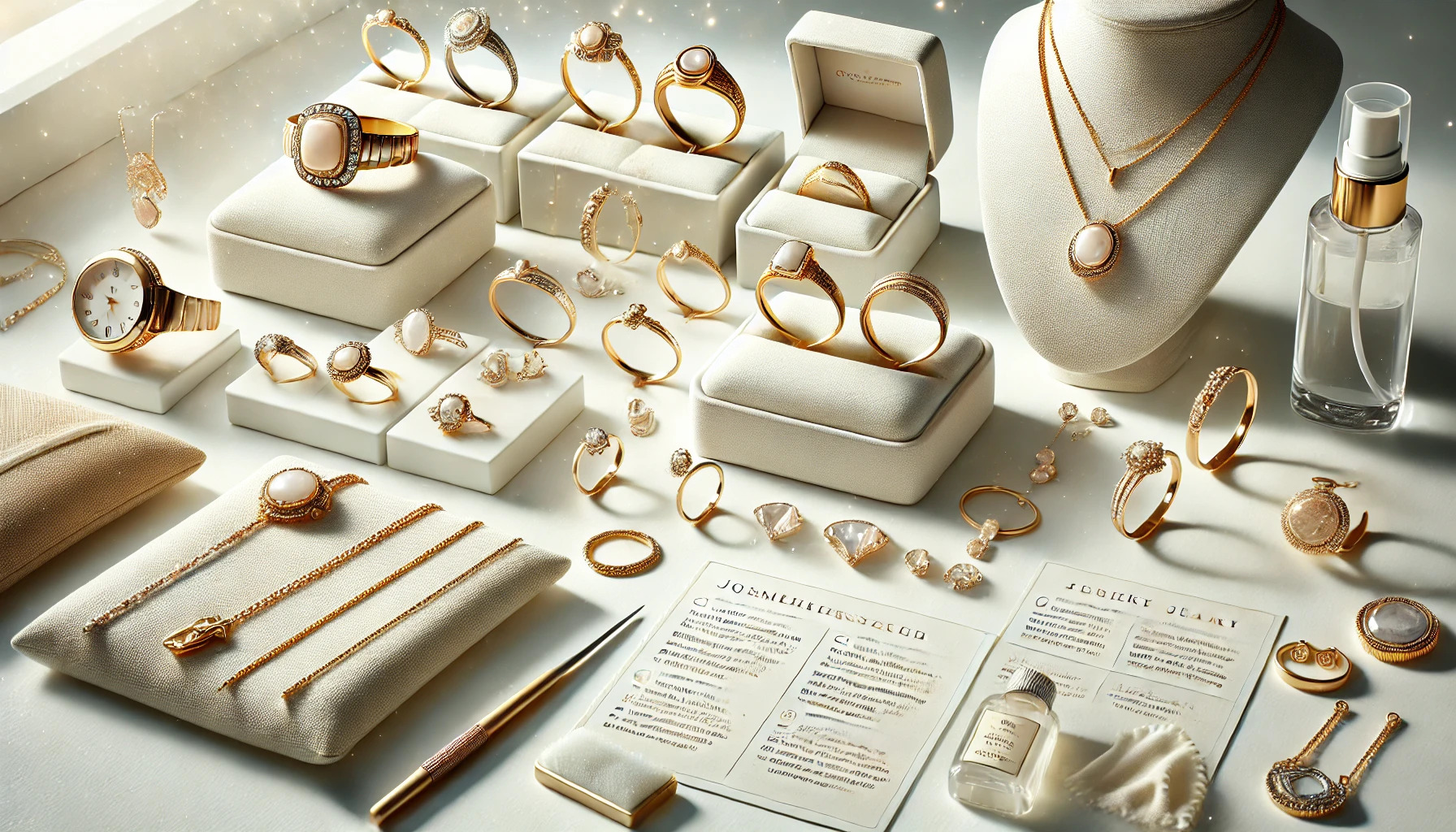
Learning how to care for your jewelry begins with one important rule: identify what the piece is made of before selecting a cleaning method. A technique that works well for a solid-gold diamond ring could damage pearls, opals, emeralds, plated jewelry, glued settings, or antique pieces.
Since 1957, B. Serkos has served jewellery and watch clients in Laval. Its in-house workshop handles jewelry sizing, setting, polishing, repairs, modifications, and custom work. The following jewelry care tips will help you clean, store, and protect treasured pieces while recognizing when professional attention is the safer choice. Learn more about B. Serkos jewelry services.
|
Quick answer For many intact pieces made from solid gold or platinum with durable, untreated stones, use lukewarm water, a few drops of mild dish soap, a very soft brush, and a lint-free cloth. Clean the piece in a bowl rather than over an open drain. Delicate, plated, glued, antique, damaged, or unidentified jewelry requires more specialized care. |
WordPress note: Insert the Rank Math Table of Contents block directly below this introduction.
Why Jewelry Maintenance Matters
Fine jewelry is designed to be worn, but everyday life leaves behind skin oils, soap, lotion, dust, and cosmetics. That buildup can make gemstones look cloudy and reduce the brilliance of metal surfaces. Moisture, impact, harsh chemicals, loose settings, and poor storage can also create damage that is much more expensive to repair than to prevent.
Regular jewelry maintenance has three goals: preserve appearance, catch structural problems early, and avoid cleaning methods that are incompatible with the piece. A clean ring is not necessarily a secure ring; worn prongs or a thinning shank may be hidden beneath normal buildup.
How to Care for Your Jewelry: 15 Expert Tips 
- Identify the material before cleaning
Before cleaning anything, determine whether the piece is made from solid gold, sterling silver, platinum, gold plating, or another material. Look for hallmarks such as 10K, 14K, 18K, 925, or PT, but do not assume a hallmark tells you everything about the gemstones, treatments, or construction.
Also identify pearls, opals, emeralds, enamel, intentionally oxidized details, glued stones, fracture-filled gems, antique settings, and coated or plated surfaces. When the material or treatment is unknown, begin with a soft dry cloth and consult a jeweller before applying liquid or commercial cleaner. There is no universal method that is safe for every piece.
- Inspect the piece before cleaning it
Dirt can conceal structural problems. Before placing a ring, bracelet, necklace, or pair of earrings in water, inspect it under bright light. Look for stones that move or rattle, raised or worn prongs, a thinning ring band, damaged links, frayed pearl string, loose clasps, bent earring posts, and visible cracks.
Gently run a soft cloth over prong-set stones. If the cloth catches repeatedly, a prong may be lifted. Do not brush or soak a piece with a loose stone because cleaning could dislodge it completely. Even diamonds, while highly resistant to scratching, can chip from impact, and a loose diamond can gradually wear against the metal holding it. Review GIA diamond care guidance for additional safety information.
- Remove jewelry before water, chemicals, and physical activity
Take rings, bracelets, necklaces, and earrings off before swimming, showering, cleaning, exercising, gardening, cooking with messy ingredients, lifting weights, or doing repairs. Chlorine can affect some metal alloys, and salt water can hide grit in settings and make a piece easier to lose. Household cleaners and beauty products can also affect finishes, gemstones, adhesives, or plating.
When jewelry must be removed away from home, place it in a dedicated pouch or travel box. Do not wrap it in tissue, leave it beside a sink, or place it loose in a pocket where it can be scratched or accidentally discarded.
- Work over a safe surface
Clean jewelry over a soft towel or mat, with the drain closed or covered. Use a small bowl rather than an open sink. A padded work area prevents a dropped gemstone from striking tile or metal, and a separate rinse bowl prevents small pieces from disappearing down the drain.
- Use lukewarm water and mild soap for compatible pieces
For an intact piece that is known to tolerate water, fill a small bowl with lukewarm – not hot – water and add a few drops of mild, non-abrasive dish soap. Use a very soft toothbrush to loosen buildup around durable stones and beneath secure settings. Rinse in a second bowl of clean water, pat dry with a lint-free cloth, and allow concealed areas to dry completely.
Use light pressure. Aggressive brushing can scratch softer metals, catch worn prongs, or damage delicate finishes. Do not automatically soak pearls, opals, plated jewelry, glued pieces, watches, antique jewelry, or pieces of unknown construction.
- Give gold and platinum gentle care
Solid gold and platinum jewelry can often be cleaned with mild dish soap, lukewarm water, and a soft brush. Pay particular attention to the underside of rings and the areas behind gemstones, where hand cream, soap, and natural skin oils collect.
Avoid abrasive powders and hard-bristled brushes. They may create fine surface scratches and make polished metal appear dull. Home cleaning removes residue, but it does not erase deep scratches, restore worn finishes, or repair structural damage. A professional jeweller can determine whether polishing, refinishing, or repair is appropriate.
- Remove silver tarnish without over-polishing
Sterling silver naturally develops tarnish. For light tarnish, start with a polishing cloth made specifically for sterling silver and use gentle, straight motions. Be particularly careful with oxidized, engraved, or intentionally antiqued silver because aggressive polishing can remove the darker finish that creates contrast in the design.
Avoid homemade baking-soda paste on plated, stone-set, engraved, or intricately finished jewelry unless a jeweller has confirmed that the method is appropriate. Baking soda is abrasive and can gradually affect surfaces and delicate details. Store silver dry and separately, preferably with an anti-tarnish pouch or strip.
- Clean diamond jewelry without ignoring the setting
A diamond’s hardness does not make the entire ring indestructible. The stone is highly resistant to scratching, but its gold or platinum setting is softer, and the diamond can still chip when struck at a vulnerable angle.
For a secure diamond ring, mild detergent, lukewarm water, and a soft brush can remove oils that reduce brilliance. Concentrate gently on the back of the diamond, where residue often accumulates. Avoid using a home ultrasonic cleaner unless the condition of the setting and every gemstone in the piece are known. Professional jewellers inspect the setting before choosing ultrasonic or steam cleaning.
- Wipe pearls after every wear
Pearls require much gentler treatment than diamonds or most metals. They are soft and can be damaged by perfume, hairspray, cosmetics, acids, excessive heat, and perspiration. Apply beauty products first, allow them to dry, and put on pearl jewelry last.
After wearing pearls, wipe them with a very soft, clean cloth. For occasional deeper cleaning, use warm soapy water carefully and make certain the string dries completely before the necklace or bracelet is worn again. Never place pearls in an ultrasonic or steam cleaner. See GIA pearl-care guidance.
- Protect opals and emeralds from heat and vibration
Opals and emeralds should not be treated like ordinary hard gemstones. Opals can be affected by high heat and sudden temperature changes. Warm soapy water and very gentle handling are the safer approach; avoid steam, ultrasonic vibration, and harsh chemicals. See GIA opal-care guidance.
Emeralds are often fracture-filled with oils, resins, or polymers. Heat, chemicals, steam, and ultrasonic vibration can affect those treatments or worsen fractures. Use warm soapy water and a very soft brush only when the stone and setting are secure. When treatment history is unknown, have the piece examined professionally. See GIA emerald-care guidance.
- Use minimal moisture on plated and costume jewelry
Gold-plated and costume jewelry should usually be cleaned with a soft, slightly damp cloth and dried immediately. Avoid soaking because prolonged contact with water can affect plating, adhesives, and non-precious components. Aggressive polishing may wear through the plated surface, particularly along edges and areas exposed to friction.
Keep plated jewelry away from perfume, lotion, household cleaners, and excessive perspiration. Put it on after cosmetics have dried, and wipe it gently before storage.
- Do not use harsh white-paste cleaners or universal DIY recipes
Some popular household cleaning suggestions can do more harm than good. Avoid toothpaste, bleach, chlorine, vinegar, lemon juice, baking-soda paste, abrasive powders, hard brushes, and undiluted ammonia unless the material has been positively identified and a qualified jeweller or product manufacturer specifically recommends the method.
Toothpaste and baking soda are abrasive. Acids may affect certain gemstones, treatments, and metal finishes. Chlorine can be especially problematic for some alloys and settings. A product labelled safe for diamonds is not automatically safe for the metal, accent stones, adhesives, or treatments in the same piece. Read more about why toothpaste is a poor universal cleaner.
- Put jewelry on last and take it off first
Apply moisturizer, sunscreen, makeup, perfume, and hairspray before putting on jewelry. Let those products dry, then add jewelry as the final step. At the end of the day, remove jewelry before changing clothes, washing your face, or applying nighttime products. This reduces chemical buildup and prevents chains, earrings, and prongs from catching on fabric.
- Store every piece separately
Use a fabric-lined jewelry box with separate compartments. Keep diamonds away from metal and other gemstones because diamonds can scratch almost every commonly used jewelry material. Fasten necklace and bracelet clasps before storage, place fine chains flat or hang them separately, keep earrings paired, and position rings so their stones cannot strike one another.
Do not store fine jewelry loose in a handbag, drawer, or travel case. Avoid damp bathrooms and locations with frequent humidity changes. Silver should be kept dry, while pearls should be protected from harder gemstones in a soft pouch or lined compartment.
- Get professional inspection before minor damage becomes major
Professional jewelry care is not limited to restoring shine. A jeweller can inspect prongs, channels, bezels, clasps, links, hinges, settings, posts, and ring shanks. Arrange an inspection when a stone moves, clicks, or rattles; a prong catches; a clasp opens unexpectedly; a ring becomes bent or thin; a chain link stretches; a pearl strand loosens; a finish wears away; or a gemstone develops a crack.
Addressing warning signs early may prevent the loss of a stone or more extensive repair. Daily-wear engagement rings and other frequently worn stone-set jewelry commonly benefit from professional inspection every six to twelve months, depending on design, condition, and the wearer’s activities.
Fine Jewelry Care by Material
| Material or construction | Safer home care | Avoid or seek professional advice |
| Solid gold or platinum | Mild soap, lukewarm water, soft brush when the piece is intact | Abrasives, bleach, hard brushing, unknown chemical cleaners |
| Sterling silver | Silver polishing cloth; mild soap when appropriate | Aggressive polishing and abrasive DIY paste |
| Diamond jewelry | Mild soap and soft brush after checking the setting | Impact and unverified home ultrasonic cleaning |
| Pearls | Wipe after wearing; occasional gentle soapy cleaning | Steam, ultrasonic cleaners, perfume, acids, excessive heat |
| Opals | Warm soapy water and gentle handling | Heat, temperature shock, steam, ultrasonic cleaning |
| Emeralds | Warm soapy water and very gentle brushing | Steam, ultrasonic cleaning, harsh chemicals |
| Plated or costume jewelry | Slightly damp soft cloth; dry immediately | Soaking, abrasives, friction, strong chemicals |
| Antique or unknown jewelry | Soft dry cloth and professional assessment | Experimenting with household cleaners |
Jewelry Maintenance Schedule: How Often Should You Clean Jewelry?
| Timing | Typical pieces | Action |
| After every wear | Pearls, plated pieces, delicate surfaces | Wipe gently with an appropriate clean cloth and check for residue |
| Weekly or as needed | Frequently worn rings and earrings | Inspect settings, prongs, clasps, posts, and visible buildup |
| Every 2 to 4 weeks | Durable daily-wear gold or platinum jewelry | Gentle home cleaning when compatible and secure |
| Every 3 to 6 months | Frequently worn stone-set jewelry | More deliberate inspection; professional service when warning signs appear |
| Every 6 to 12 months | Engagement rings, valuable daily-wear pieces, sentimental jewelry | Professional inspection and cleaning schedule based on condition |
| Immediately | Loose stone, catching prong, failed clasp, crack, bent setting | Stop wearing and obtain professional assessment |
No fixed schedule is perfect for every item. Jewelry worn daily is exposed to more impact, soap, lotion, and perspiration than a brooch worn several times a year. The correct schedule depends on material, construction, wear habits, and condition.
How to Store Jewelry to Prevent Scratches, Tarnish, and Tangles
Choose a lined box with separate compartments
Use a soft, fabric-lined box or organizer with one compartment or pouch for each ring, pair of earrings, bracelet, and necklace. Do not pile fine jewelry into a shared tray, where hard stones and metal edges can scratch one another.
Keep diamonds away from other jewelry
Diamond is extremely hard and can scratch precious metals and other gemstones. Store diamond pieces so their stones cannot contact neighbouring jewelry.
Fasten chains and support earrings
Fasten necklace and bracelet clasps before storing them. Lay fine chains flat or hang them individually to reduce knots. Store earrings as pairs and support delicate posts so they do not bend under pressure.
Protect silver from humidity and air exposure
Keep sterling silver clean and dry in a closed anti-tarnish pouch or compartment. Avoid storing silver in damp bathrooms. Anti-tarnish strips can help, but they do not replace gentle cleaning and dry storage.
Store pearls in breathable, padded protection
Keep pearls away from diamonds, chains, and metal edges. Use a soft pouch or lined compartment that prevents abrasion. Do not seal damp pearls away after cleaning; allow the piece and string to dry fully first.
When to Choose Professional Jewelry Cleaning and Repair
Professional service is the right choice for valuable, sentimental, antique, heavily tarnished, damaged, or unidentified jewelry. A trained jeweller can inspect the entire construction before choosing a cleaning method and can recommend repair before cleaning makes a loose or damaged component worse.
At a professional visit, ask about setting security, prong wear, clasp strength, ring-shank thickness, chain links, stone treatments, and the safest cleaning method. Keep records and photographs of important pieces, and update insurance appraisals when value or condition changes.
Professional Jewelry Cleaning in Laval
Home care can remove ordinary surface residue, but professional service is safer when a piece has loose stones, significant tarnish, damaged settings, worn prongs, deep scratches, unknown gemstones, or an antique construction.
For professional jewelry cleaning in Laval, B. Serkos has an on-site workshop offering jewelry polishing, sizing, setting, repairs, modifications, and related services. Visit jewelry cleaning and repair services in Laval, explore the B. Serkos jewelry collection, or contact B. Serkos.
Frequently Asked Questions About Jewelry Care
What is the safest way to clean most jewelry at home?
For many intact pieces made from solid gold or platinum with durable stones, use lukewarm water, mild dish soap, a soft brush, and a lint-free cloth. Inspect the setting first and avoid soaking delicate, plated, glued, antique, damaged, or unknown pieces.
How often should jewelry be cleaned?
Clean according to use and visible buildup. Daily-wear rings may need gentle attention more frequently than jewelry reserved for special occasions. Valuable stone-set pieces should also receive periodic professional inspection.
Can I clean jewelry with baking soda or vinegar?
Do not use them as universal cleaners. Baking soda is abrasive, while vinegar is acidic. Either may affect softer metals, plated surfaces, porous gems, adhesives, treatments, or decorative finishes.
Can I wear jewelry in the shower or swimming pool?
Removing it is generally safer. Soap and hair products leave residue, while chlorine and other pool chemicals may affect some metals, finishes, and settings. Water also increases the chance of loss near a drain.
Is a home ultrasonic jewelry cleaner safe?
Not for every piece. Ultrasonic vibration can be dangerous for loose settings, pearls, emeralds, opals, fracture-filled stones, glued jewelry, and certain antiques. A jeweller should inspect the piece first.
How should necklaces be stored to prevent tangling?
Fasten each clasp and store necklaces individually, either flat in separate compartments or hanging from individual hooks. Do not place several fine chains together in one pouch.
When should I take jewelry to a professional?
Visit a jeweller when a stone moves, a prong catches, a clasp fails, a chain stretches, a ring bends, a pearl strand loosens, or the materials are unknown. Professional inspection is also recommended before cleaning valuable antique or sentimental jewelry.
Final Thoughts
Knowing how to care for your jewelry is mainly about choosing the gentlest method suitable for each material. Inspect pieces before cleaning, avoid harsh household remedies, remove jewelry during risky activities, and store every item separately.
Consistent home care helps preserve shine, but professional inspection protects what cannot always be seen: the prongs, settings, clasps, links, and structural components keeping the piece secure. For cleaning, polishing, sizing, setting, or repairs, contact the B. Serkos in-house jewellery team in Laval.
Related Posts
Latest Posts
Jewelry Repair in Laval: Expert In-House Services
A favourite ring that no longer fits, a necklace with [...]
How to Care for Your Jewelry: 15 Expert Tips for Lasting Shine
Learning how to care for your jewelry begins with one [...]
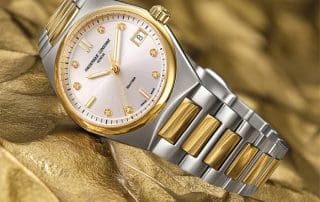
Frédérique Constant Watches Have Arrived at B. Serkos Jewelry
There is something special about wearing a beautifully crafted Swiss [...]

Seiko Chronograph Watches: A Journey Through Innovation and Time
Seiko Chronograph Watches Few watchmakers have influenced the development of [...]
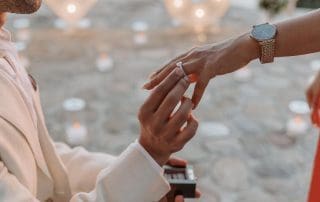
Engagement Rings Laval: How to Choose the Perfect Ring for Your Love Story
Choosing an engagement ring is one of the most meaningful [...]

Are Seiko Watches Good Quality? A 2026 Buyer’s Guide
Are Seiko watches good quality? Yes. Seiko is one of [...]

