
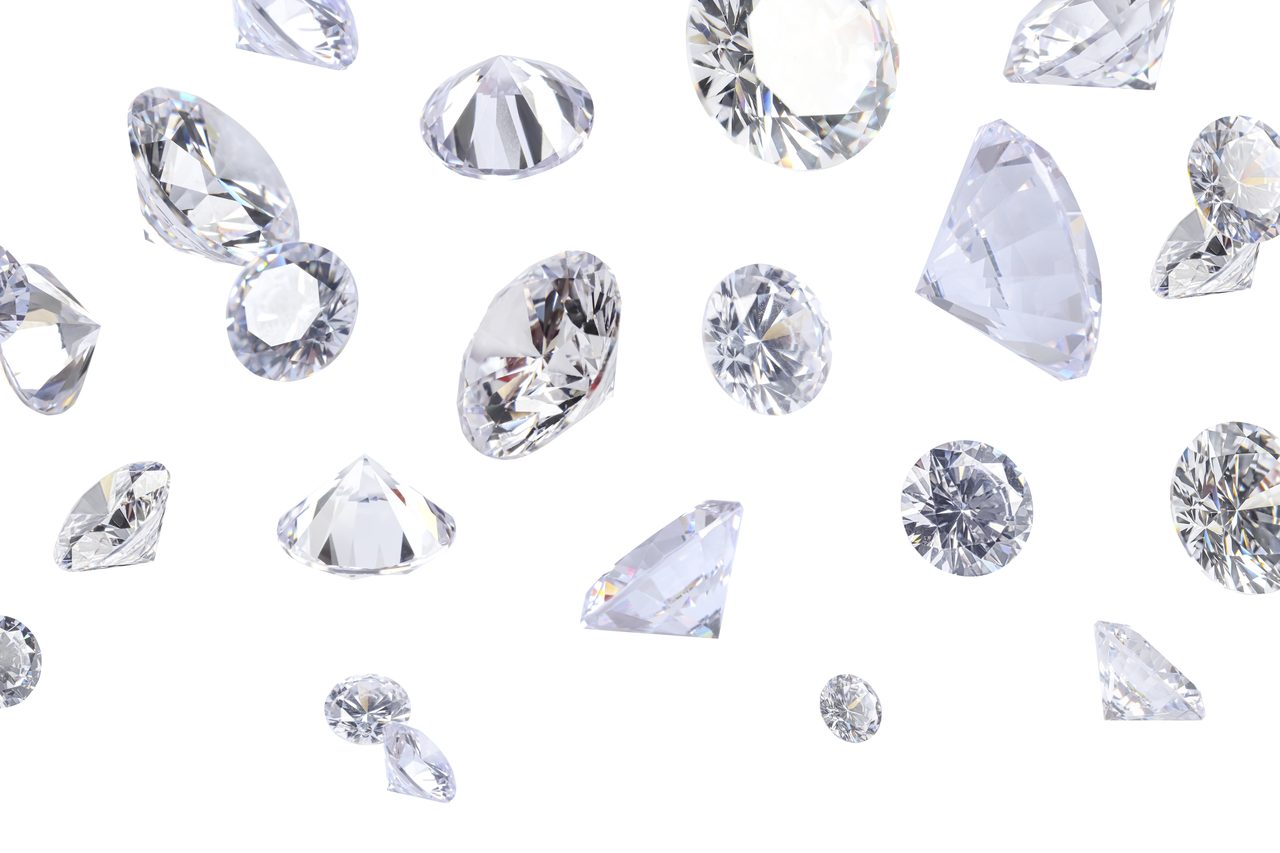
Shopping for diamond shapes for engagement rings can feel like comparing apples and oranges. A 1-carat oval may look longer on the finger than a 1-carat round diamond, while an emerald cut can have a striking rectangular outline without the same glittering sparkle. So which diamond shape gives you the biggest-looking engagement ring for your budget?
The answer depends on more than carat weight. Here is how round, oval, pear, emerald and radiant diamonds compare—and what to look for before choosing a ring you will love wearing for years.
THE SHORT ANSWER Of the five shapes in this guide, oval and pear diamonds often create the greatest impression of length at a similar carat weight. Emerald and elongated radiant diamonds can also give generous finger coverage. Round brilliant diamonds prioritize balanced proportions and exceptional sparkle. Compare actual measurements, not just carats.
Carat Weight vs. Visible Size: Why Shape Matters
Carat measures a diamond’s weight, not the surface area you see. That is why two diamonds with identical carat weights can look surprisingly different when viewed from above. A stone’s length, width, depth and faceting determine how much of it is visible on the finger.
Jewellers often call that visible footprint its “face-up” appearance. A diamond cut deeper may carry more of its weight below the setting, while a well-proportioned elongated diamond can spread its weight across a longer outline. But a shallow-looking stone is not automatically better: brightness, symmetry, durability and overall proportions matter too.
It also helps to know the terminology: “round,” “oval” and “pear” are diamond shapes. Cut quality describes how a diamond’s facets and proportions interact with light. The Gemological Institute of America (GIA) explains this distinction in its diamond cut guide.
Diamond Shapes for Engagement Rings: A Quick Comparison
| Shape | How it tends to look | Signature appeal |
|---|---|---|
| Oval | Longer visual outline; often looks bigger than a comparable round | Brilliant sparkle and a flattering, elongated silhouette |
| Pear | Teardrop silhouette creates length and distinctive finger coverage | Romantic, expressive and less traditional |
| Emerald | Elegant rectangular outline; size is expressed through broad, open facets | Understated flashes and Art Deco sophistication |
| Radiant | Rectangular or square; elongated versions add length | Geometric shape with lively, brilliant-style sparkle |
| Round | Symmetrical, concentrated face-up outline | Classic brilliance and timeless versatility |
No shape is guaranteed to look larger in every comparison. Proportions and the actual millimetre dimensions of individual stones can change the result.
Which Diamond Cut Looks Biggest? A Closer Look at Five Shapes
1. Oval vs. Round Diamond: More Length Without Losing Sparkle
An oval diamond keeps much of the lively appearance shoppers appreciate in a round brilliant, but its elongated outline can make it look larger along the finger. This is a compelling option for someone who wants a prominent centre stone without making carat weight the only priority.
When comparing oval vs. round diamond designs, look for pleasing length-to-width proportions, rounded shoulders and consistent sparkle across the stone. Some ovals display a dark band known as a “bow tie.” A little contrast is normal, but a strong, persistent dark area can distract from the diamond’s appearance.
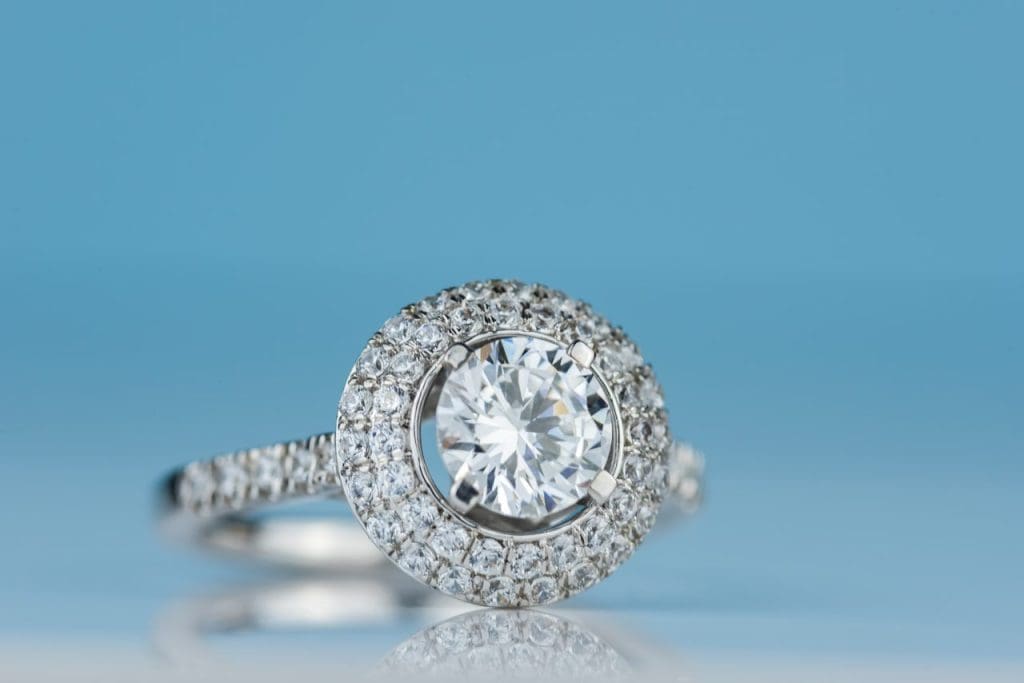
See the B. Serkos oval-cut engagement ring with a double halo, featuring a lab-grown oval centre stone and accent diamonds. A halo adds visible presence beyond the centre stone itself.
2. Pear-Shaped Engagement Ring: A Bold, Bigger-Looking Silhouette
The pear shape blends a rounded end with a tapered point. Its teardrop profile draws the eye along the finger, making it one of the most striking choices for a larger-looking engagement ring. It also suits people who want something unmistakably individual.
Check that both sides are balanced, the rounded shoulder is smooth and the pointed tip is well protected by the setting. Pear diamonds can show a bow-tie effect too, so inspect the stone in more than one kind of light.
Explore the B. Serkos pear-cut engagement ring with halo and side diamonds in 14K white gold, with a lab-grown pear-shaped centre diamond.
3. Emerald Cut Diamond: A Spacious Look With Quiet Elegance
An emerald cut diamond does not sparkle in exactly the same way as a round or oval brilliant. Its long, step-cut facets create broad flashes of light and a distinctive “hall of mirrors” effect. An elongated emerald can look especially graceful and architectural, even when two diamonds have similar weight.
Because those open facets make inclusions easier to notice, examine clarity carefully rather than selecting by carat weight alone. A diamond that looks clean to your eye, with attractive proportions and even flashes, can be a better purchase than one chosen for its paper specifications.
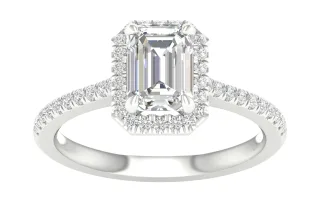
Consider the B. Serkos rose-gold emerald-cut engagement ring with halo for a softer, romantic interpretation of this geometric shape.
4. Radiant Cut Diamond: Rectangular Shape, Brilliant-Style Shine
A radiant cut diamond offers the defined lines of a square or rectangle with a lively, brilliant-style facet pattern. If you like the elegant proportions of an emerald cut but prefer more sparkle, a radiant cut is worth comparing side by side.
An elongated radiant can provide impressive length on the finger. A squarer radiant creates a more compact, structured look. Neither is automatically the “biggest” choice: evaluate the specific stone’s face-up measurements, brightness and overall visual balance.
Browse the B. Serkos radiant-cut engagement ring with halo and side diamonds to see this combination of sparkle and strong lines.
5. Round Brilliant Diamond: The Classic Choice for Sparkle
Round diamonds may appear more compact than elongated shapes of a similar weight, but they remain a favourite for a reason: their symmetrical appearance and brilliant faceting deliver an enduring, highly recognizable look. If sparkle is your first priority, do not assume that a longer outline is automatically the better value.
For standard round brilliants, a GIA cut grade provides a useful quality benchmark. GIA does not currently assign that same overall cut grade to fancy shapes such as oval, pear, emerald and radiant, making in-person comparison especially worthwhile.
View the B. Serkos round-cut engagement ring with halo for a traditional shape with extra visual framing.
How to Make Your Diamond Look Bigger Without Overspending
Compare millimetres, not just carats
Ask for the centre diamond’s length and width in millimetres and compare several rings on the same finger. A grading report can help you check dimensions. One shape may look longer while another covers more width; decide which effect matters most to you.
Choose a shape you love before increasing carat weight
An oval, pear or elongated radiant can give the appearance of additional length without requiring the largest available diamond. The smart strategy is not to chase a specific shape blindly, but to compare attractive, well-proportioned diamonds at the budget you actually want to spend.
Let the setting do some of the visual work
A halo of smaller diamonds can frame the centre stone and make the overall ring appear fuller. A slim, appropriately engineered band can also create contrast that draws attention to the centre. Just remember that a listing’s total diamond weight may include side stones: always ask for the centre-stone weight separately.
Consider natural vs. lab-grown diamonds
Lab-grown diamonds are real diamonds and may allow you to choose a larger-looking stone within a given budget, depending on current prices and specifications. Natural diamonds have a different origin and market profile. For a balanced comparison, read the B. Serkos guide to lab-grown vs. natural diamonds and ask to see comparable options.
Do not pay only for a carat milestone
Popular weights such as 1.00 carat can carry price premiums. A diamond just below a milestone may look almost identical in size yet be priced differently. Compare the actual measurements, light performance and quotes—never assume a smaller carat number always means the better deal.
Balance clarity with the shape’s faceting
Brilliant-cut diamonds can disguise some small inclusions through their busy facet patterns. Emerald cuts, with larger open facets, tend to reveal clarity characteristics more readily. Rather than paying automatically for the highest grade, ask to view stones for visible inclusions at normal viewing distance.
Compare rings in real lighting
Turn each ring gently under soft indoor lighting, bright light and indirect daylight. Look for appealing brightness across the face of the diamond, not merely one dramatic flash. This is especially useful for spotting a distracting bow tie or dark areas in fancy shapes.
Which Shape Is Best for Your Budget? Start With Your Priority
| Your priority | A strong starting point |
|---|---|
| The biggest-looking outline | Try oval and pear first; also compare elongated emerald and radiant stones. |
| Maximum classic sparkle | Begin with round brilliant and compare its cut quality carefully. |
| Modern, geometric glamour | Try radiant for lively sparkle or emerald for broad, refined flashes. |
| A fuller overall ring | Compare halo designs, noting centre-stone vs. total diamond weight. |
| More choice at a set budget | Compare natural and lab-grown options with similar measurements and quality. |
One important exception: across the wider diamond market, a marquise can also appear especially large for its weight. This article focuses on the five shapes showcased in B. Serkos’ current engagement-ring range.
Frequently Asked Questions About Diamond Shapes
Which diamond shape looks biggest on a finger?
Elongated shapes such as oval and pear often create the strongest impression of length for their carat weight. A marquise can also appear particularly large. The winner among actual rings depends on each diamond’s measurements, depth and setting.
Does an oval diamond look bigger than a round diamond of the same carat?
Often, yes—especially in terms of length on the finger. But the overall impression depends on the oval’s proportions and the comparison stone. Look at millimetre dimensions and sparkle instead of relying on carat weight alone.
Is a radiant cut diamond better than an emerald cut diamond?
Neither is universally better. Choose radiant if you prefer a brilliant-style sparkle with a geometric outline. Choose emerald if you like open, step-cut facets and an understated, architectural look. Clarity may deserve closer attention with emerald cuts.
Do halo engagement rings make the centre diamond look bigger?
A halo can make the ring’s overall diamond-covered area appear larger, but it does not change the centre diamond’s dimensions. Ask the jeweller to distinguish centre-stone carat weight from total diamond weight.
Should I choose a lab-grown diamond to get a larger ring?
It can be a practical option. Lab-grown and natural diamonds have the same essential diamond material, but different origins and typically different pricing. Compare current quotes, grading information and the finished ring’s appearance before deciding.
Explore Diamond Shapes in Laval at B. Serkos
The right engagement ring is not simply the largest diamond on paper. It is the shape, sparkle and setting that feel right together—and fit comfortably within your budget.
At B. Serkos Jewelry in Laval, you can explore the engagement ring collection and compare round, oval, pear, emerald and radiant designs. For more guidance on styles and settings, see our engagement-ring buying guide for Laval. Visit us at 400 Boulevard Curé-Labelle, Laval, Quebec, or contact the store at 450-686-0026 to discuss options and request current pricing.
Related Posts


Latest Posts
Lab-Grown vs. Natural Diamonds: What You Need to Know
If you're shopping for a diamond in Laval, you may [...]
The Seiko SPB511J1: A Dive Watch That Honors 60 Years of History
Seiko has been a big name in the world of [...]
Bulova: Style, Precision, and History in Every Timepiece
Looking for a watch that’s elegant, reliable, and rich in [...]
G-SHOCK Watches: Built Tough, Made to Impress
G-SHOCK watches by Casio are known around the world for [...]
Timeless Elegance: Discover Raymond Weil at B.Serkos Jewelry
In the world of luxury watchmaking, few brands match the [...]
Hamilton: Swiss Watchmaking Meets American Spirit at B.Serkos Jewelry
Hamilton Watches is known worldwide for its bold design and [...]

